.png?width=319&height=45&name=svgexport-1%20(2).png)
 Contact our Team:
  12 Aug 2026, 08:30:07
There's a particular smell that settles over Portugal's wine regions every September, sweet, earthy, and faintly smoky, as if the whole countryside had turned into a giant fermenting barrel. It drifts through the terraced hillsides of the Douro, settles over the quiet vineyards of Vinho Verde, and lingers in the warm evening air of the Alentejo plains. This is harvest season, and for a few unforgettable weeks each year, it transforms Portugal's wine country into a living celebration.
A Wine Lover's Guide
This guide covers everything you need to know: when harvest happens across Portugal's key wine regions, what to expect once you're there, and how to make the most of one of the most magical times of year to experience the country's wine culture up close.
© LukaTDB / Getty Images Signature via Canva.com
When Is Harvest Season in Portugal
Harvest, or vindima, as it's known locally, typically runs from late August through mid-to-late October, although the exact timing varies depending on the region, altitude, and grape variety. Cooler, high-altitude vineyards tend to harvest later, while warmer, low-lying areas start earlier.
As a general rule:
-
Late August–early September: Sparkling wine grapes and early-ripening white varieties
-
Mid-September: Peak harvest across most regions, including the Douro's iconic red varieties
-
October: Later-ripening reds, particularly in cooler or higher-altitude vineyards
Because harvest dates depend heavily on the weather of that year.

What to Expect During the Vindima
-
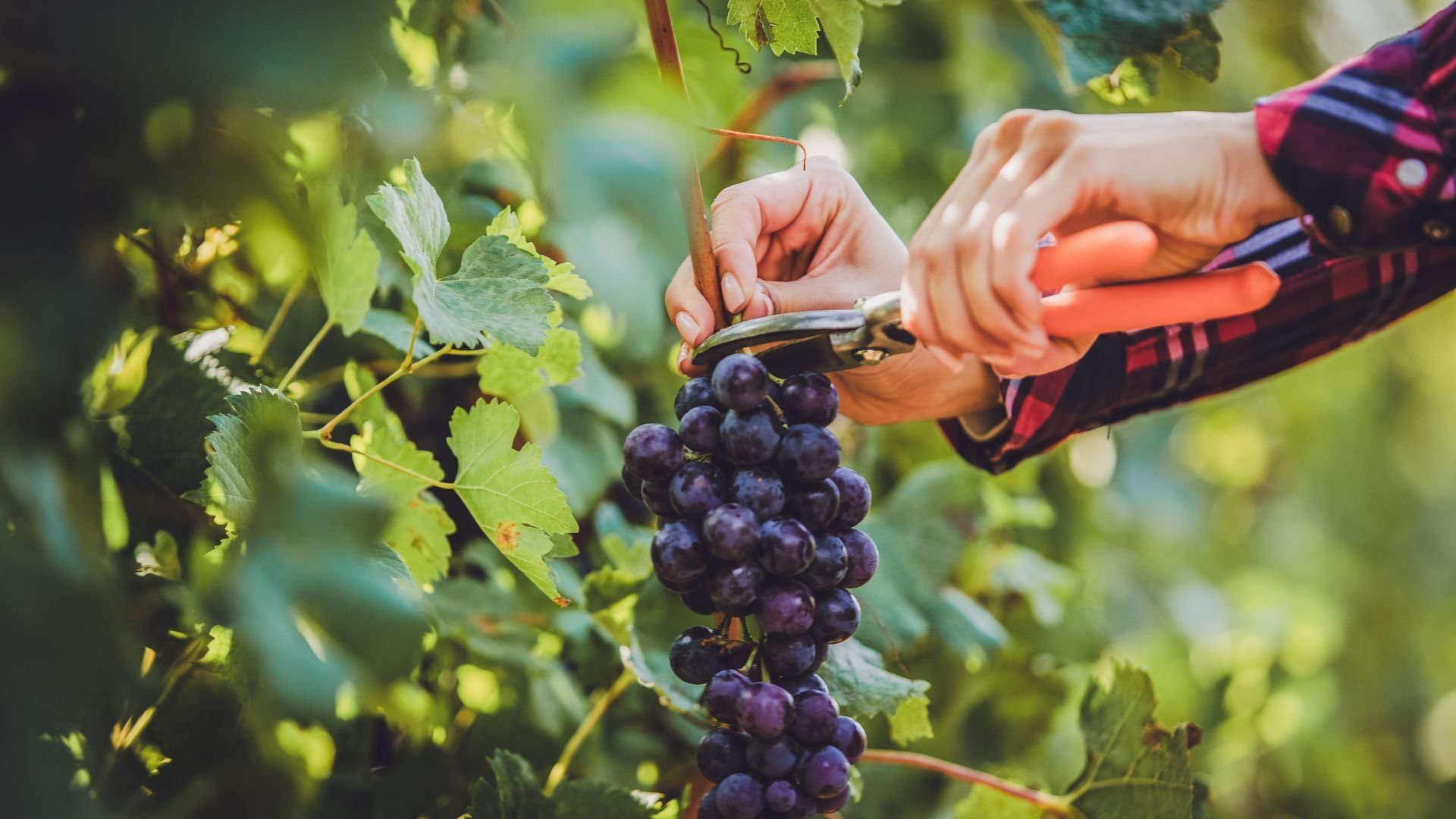
Harvest in Portugal isn't a spectator sport; it's an invitation to participate. Many wineries welcome visitors to join pickers in the vineyard, baskets in hand, before heading back to the adega for the day's most theatrical moment: the pisa a pé, where grapes are crushed underfoot in traditional stone lagares, often to the sound of live music and singing that's been part of the ritual for generations.
-
For those who'd rather watch than wade in, there's plenty to take in from the sidelines, the choreography of the harvest itself, tastings of that day's freshly pressed mosto (grape must, sweet and still fizzing with the first signs of fermentation), and long harvest lunches built around the season's ingredients, often paired with the previous year's vintage.
The Best Regions to Visit During Harvest
Douro Valley
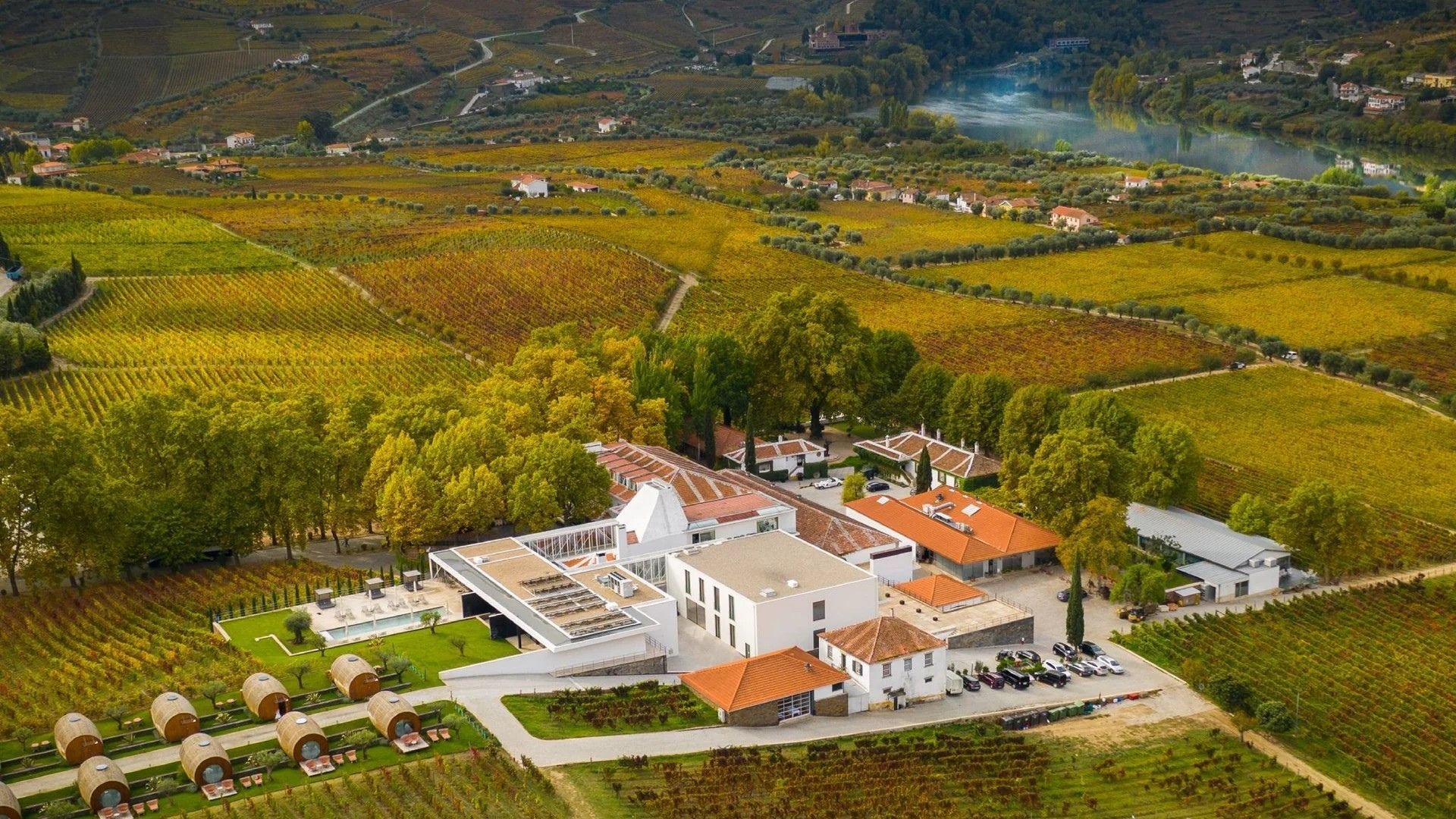
The most iconic of Portugal's wine regions, and for good reason. Terraced vineyards cascade down to the river, and harvest here carries centuries of tradition. This is where the pisa a pé ritual is most deeply rooted, and where the atmosphere feels closest to a living postcard.
Harvest Experience: Quinta da Pacheca
© Quinta da Pacheca
Guests are welcomed with straw hats, tobacco scarves, cutting scissors, and a bucket, then head into the vineyard for a mid-morning snack of onion broth and grilled sardines on cornbread, paired with Pacheca wines. Harvesting begins shortly after, followed by grape treading, a guided tour of the estate, a traditional harvest lunch with drinks included, and a closing wine tasting.
Minho (Vinho Verde)
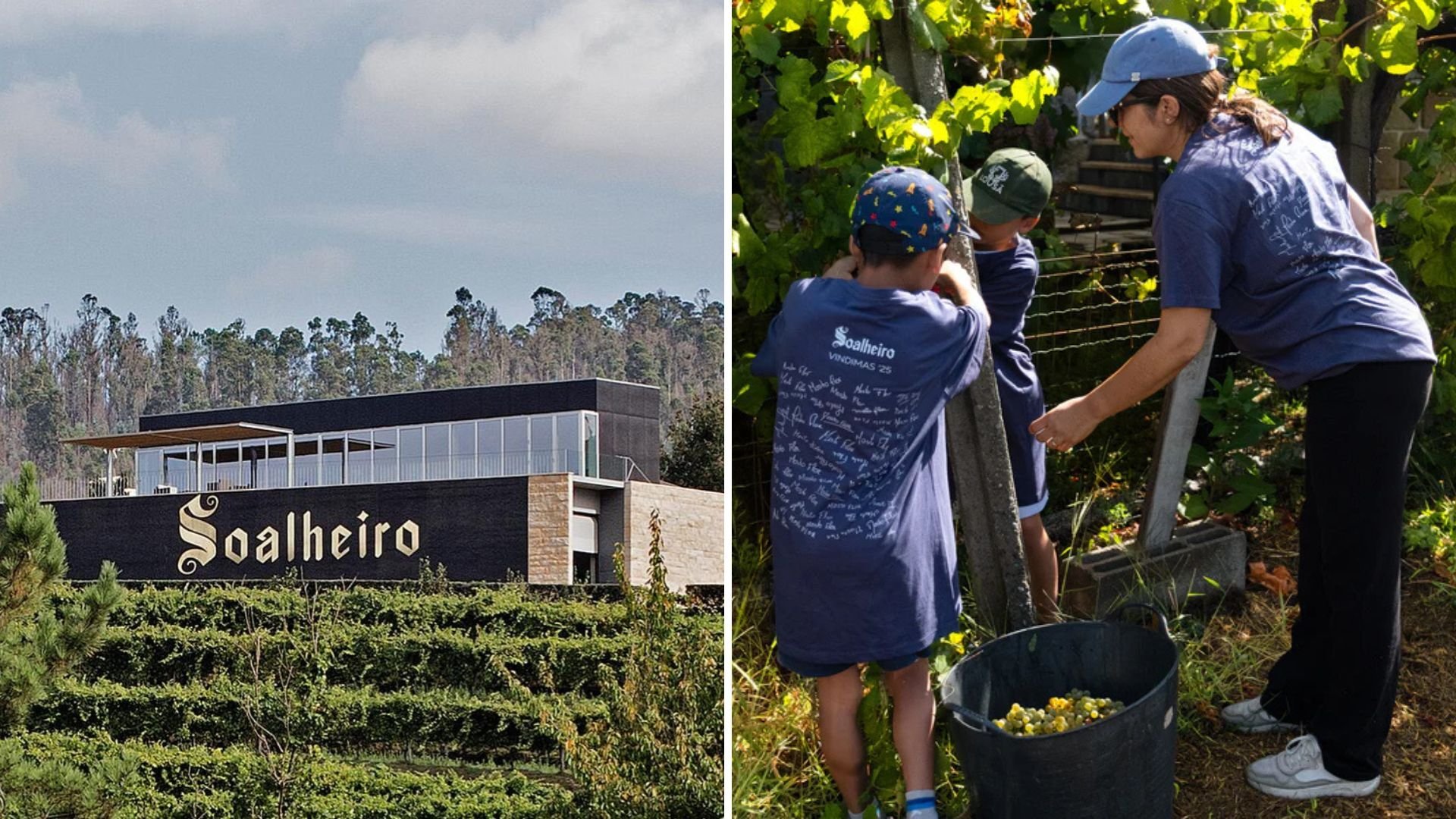
Greener, cooler, and less touristed than the Douro, this region offers a quieter, more relaxed take on harvest, ideal for travelers looking to experience the vindima away from the crowds.
Harvest Experience: Quinta do Soalheiro
© Quinta do Soalheiro
Visitors are welcome to the Monção and Melgaço region and join a family from the estate's Producers' Club for a hands-on harvest, followed by a traditional snack in the vineyard. A guided tour of the winery and Innovation Cellar leads to a tasting of Alvarinho musts. The experience concludes with a traditional harvest lunch, accompanied by dessert and coffee, paired with Soalheiro wines and Pur Terroir herbal teas.

Alentejo
Sun-drenched plains and a slower pace define harvest in the Alentejo. Warmer temperatures mean an earlier, often more laid-back harvest, with long outdoor lunches under cork oak trees.
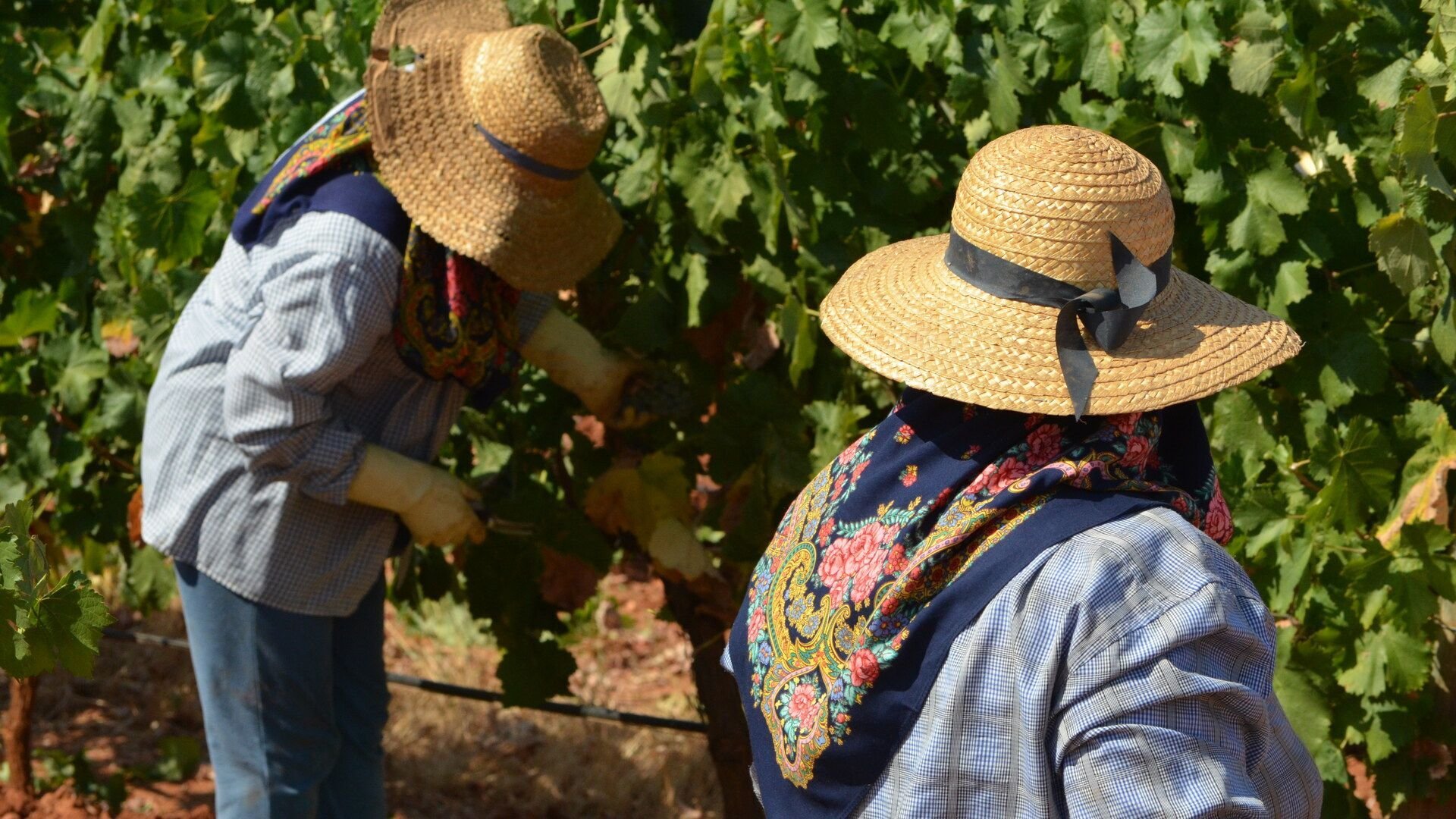
© Adega João Portugal Ramos
Harvest Experience: Adega João Portugal Ramos
Guests take part in the harvest itself, manually picking grapes into boxes, before trying their hand at pressing using the estate's traditional marble presses. A tour of the cellars explains the full winemaking process, from fermentation to bottling and barrel aging, followed by a harvest lunch and a tasting of Marquês da Borba white and both the white and red Vinhas Velhas.

Lisbon Region & Setúbal
For travelers short on time, this region offers an easy day trip from the capital without sacrificing the full harvest experience. Vineyards here are close enough to combine with a city stay.
Harvest Experience: Quinta do Gradil
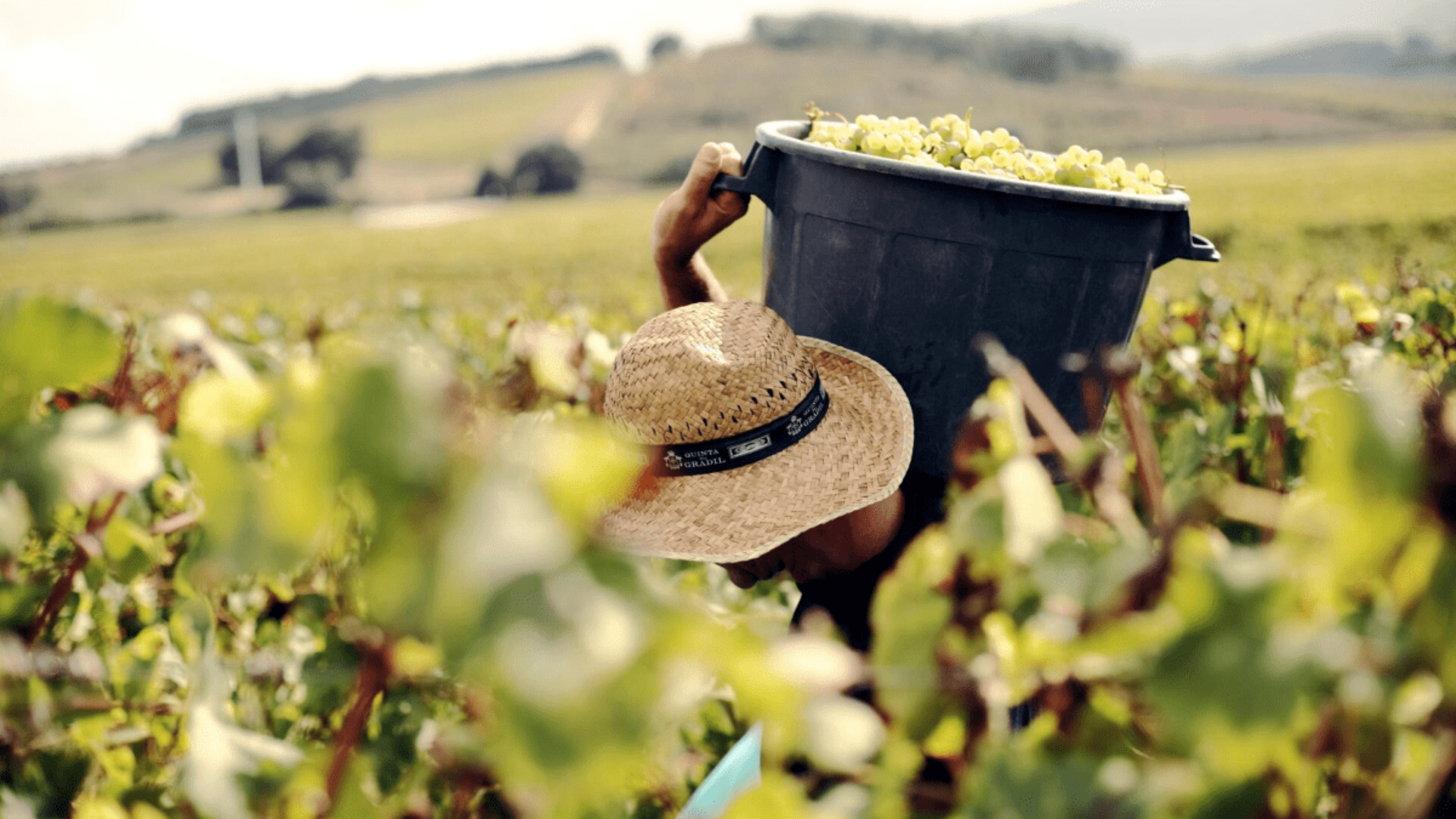
© Quinta do Gradil
Set on a historic estate near Cadaval that once belonged to the family of the Marquis of Pombal, this experience begins with a wine and local product tasting on arrival, followed by handpicking grapes in the vineyard and a guided tour of the facilities. The morning builds to traditional grape stomping, before wrapping up with a picnic among the vines, complete with prepared baskets. Guests take home a straw hat and a special harvest t-shirt.

Planning Your Visit
-
Book early: harvest is one of the busiest times of year for Portugal's wineries, and spots for hands-on experiences fill up fast.
-
Dress for the vineyard: Comfortable shoes, layers, and clothes you don't mind getting a little stained (grape juice doesn't come out easily).
-
Give it time: a single afternoon offers a taste, but a multi-day trip lets you experience harvest across more than one region, and see how dramatically the atmosphere shifts from the Douro to the Alentejo.
Experience Harvest for Yourself
There's no better way to understand Portuguese wine than to experience the moment it comes to life, from the vineyard to the lagar to the glass. Harvest season offers a front-row seat to centuries of tradition still very much alive today.