Contact our Team:
 26 Nov 2026, 13:39:51
Douro Valley planning: quick facts
- The Alto Douro Wine Region, the heart of the Douro Valley, has been a United Nations Educational, Scientific and Cultural Organization (UNESCO) World Heritage Site since 2001.
- Spring and autumn are the most comfortable seasons, and the grape harvest typically runs from early September to early October.
- Peso da Régua and Pinhão are the most practical bases for a Douro Valley vacation, and both have stations on the Douro Line from Porto.
- A private driver or a guided tour is the safest way to visit several quintas on days with wine tastings.
A Douro Valley vacation is less about ticking off sights than about settling into a landscape of terraced vineyards, river bends and wine estates, known locally as quintas, shaped by around 2,000 years of winemaking. Planning a 2027 trip comes down to four decisions: when to go, how long to stay, where to sleep and how to get around.
The short answer: for a first visit, plan two or three nights in the Douro Valley and build each day around one or two quinta visits, with time left for the river, a viewpoint, or a long lunch. Add a night or two if you want a slower pace, with walks and village visits.
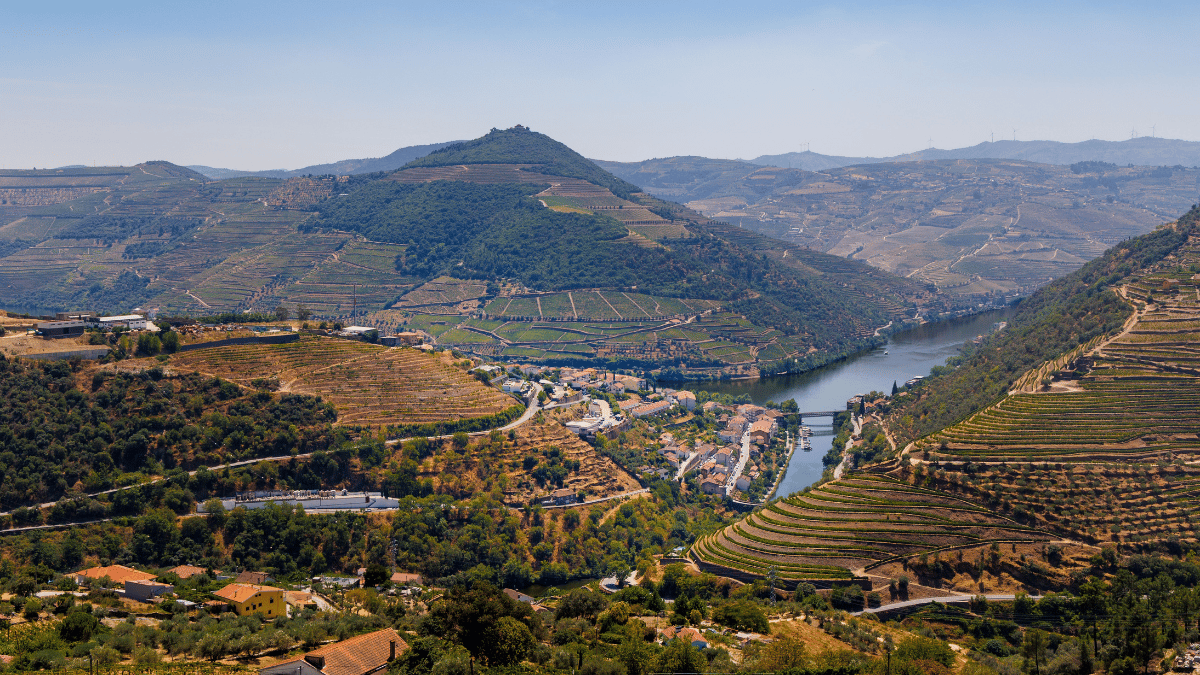
Scenic View of Douro Valley Vineyards © Igor Passchier / Pexels via Canva.com
When is the best time to plan a Douro Valley vacation?
For most travelers, the best time to visit the Douro Valley is spring (April to June) or autumn (September and October), when the weather is comfortable and the vineyards are at their most colorful. Each season offers a different kind of trip:
-
Spring (April to June): green vineyards and fewer visitors than in summer, ideal for walking and unhurried tastings.
-
Summer (July and August): long days, but the valley floor gets very hot. Plan tastings and walks for the morning or evening, and keep midday for a long lunch or the river.
-
Harvest (early September to early October): the busiest and most atmospheric weeks, when grapes are picked by hand on the terraces, and some quintas invite visitors to take part. Dates depend on the weather and grape ripeness, so the 2027 harvest will only be scheduled a few weeks ahead. See what to expect from a harvest visit.
-
Late autumn (mid-October and November): the vine leaves turn gold and red and the crowds thin out, a rewarding time for scenic drives.
-
Winter (December to March): the quietest months, with cool and often damp weather and bare vines, although almond trees typically blossom in the upper Douro Valley from late February. Some quintas open by appointment only, so check opening days before you travel.
How many days do you need in the Douro Valley?
Two to three nights, or three to five days, is the right length for a first Douro Valley trip, long enough to visit several quintas without rushing.
| Trip length | Ideal for | What fits | Read more |
| One day from Porto | Travelers based in Porto with little time | One or two quintas, lunch and a short boat or train ride | The Douro Valley in one day |
| Two to three nights | First-time visitors | Three or four quinta visits, a boat trip and a viewpoint at sunset | 10 wineries you can't miss |
| Four nights or more | Slower travelers and food lovers | Adds villages, walks, a cooking class or a longer river trip | Douro River cruises |
| One week with Porto | Combining city and wine country | Three nights in Porto and three or four in the Douro Valley | 7 days in Porto and the Douro Valley |
A day trip is rewarding, but the journey from Porto takes up much of the day, so staying at least one night lets you see the terraces in the early morning and evening light. If you are building a Douro Valley itinerary around Porto, start in the city, where the Port wine lodges line the riverbank in Vila Nova de Gaia, and finish in the Douro Valley, where the pace is slower.
If you prefer to have the logistics arranged, our 5-day Douro Valley tour with a 2-hour river cruise is one way to plan a longer stay: Wine Tourism in Portugal combines wine and food tastings with a private driver-guide and a private cruise on the Douro River.

Where should you stay in the Douro Valley?
For most visitors, the best base is in or near Peso da Régua or Pinhão, or at a quinta with rooms. Staying in Porto is possible, but it turns every visit into a day trip.
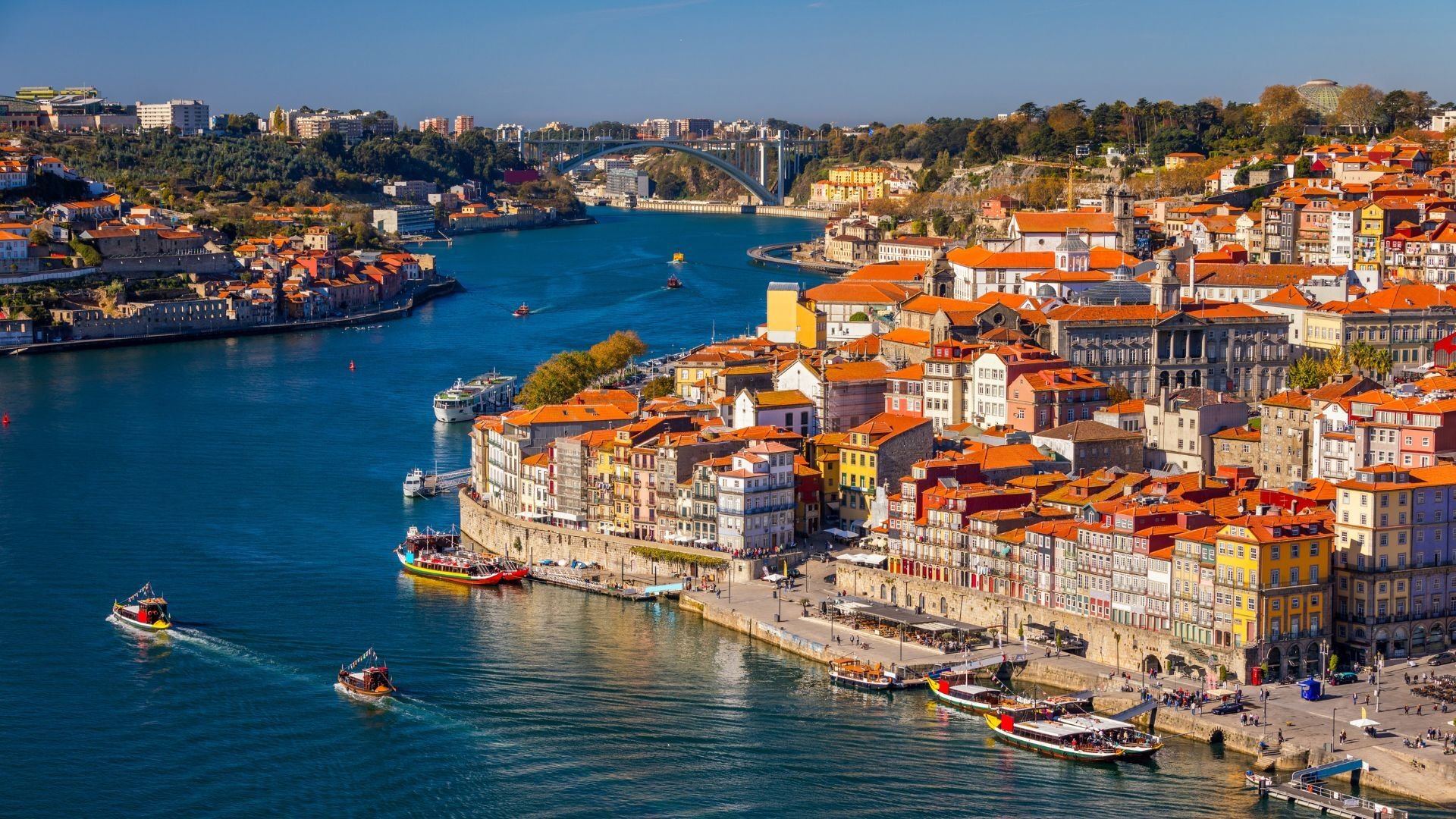
Douro River, Porto © DaLiu from Getty Images Pro via Canva.com Pro
Peso da Régua
Peso da Régua is the largest town on this stretch of the Douro River and the gateway for most visitors from Porto. It has the widest choice of restaurants and services, a main station on the Douro Line and the Douro Museum, which tells the story of the region's wine. Lamego is a short drive away.
Pinhão
Pinhão is a small riverside village surrounded by some of the Douro Valley's best-known quintas, with a railway station decorated in blue-and-white azulejo tiles. It is quieter, with fewer restaurants, and suits travelers who want to wake up among the vineyards.
A quinta stay
Many wine estates have rooms, from small guesthouses to wine hotels with pools and restaurants. A quinta stay puts tastings on your doorstep, but most estates sit on narrow, winding roads, so you will need a car or a driver to explore further.
Porto as a base
Staying in Porto suits travelers who only have time for day trips. The journey takes roughly 1.5 to 2 hours each way, which leaves less time for tastings and the river. Whatever your base, book early for September and October, when rooms in the Douro Valley fill up first.
How do you get to the Douro Valley and travel around?
Most travelers reach the Douro Valley from Porto, by car, by train, or with a private driver. Porto Airport is the nearest international airport; from Lisbon, the simplest route is usually to travel to Porto first.
By car: driving gives you the most freedom, and the N222 road between Peso da Régua and Pinhão is one of the most scenic drives in the region. Roads away from the main towns are narrow and winding, and anyone tasting wine should not drive.
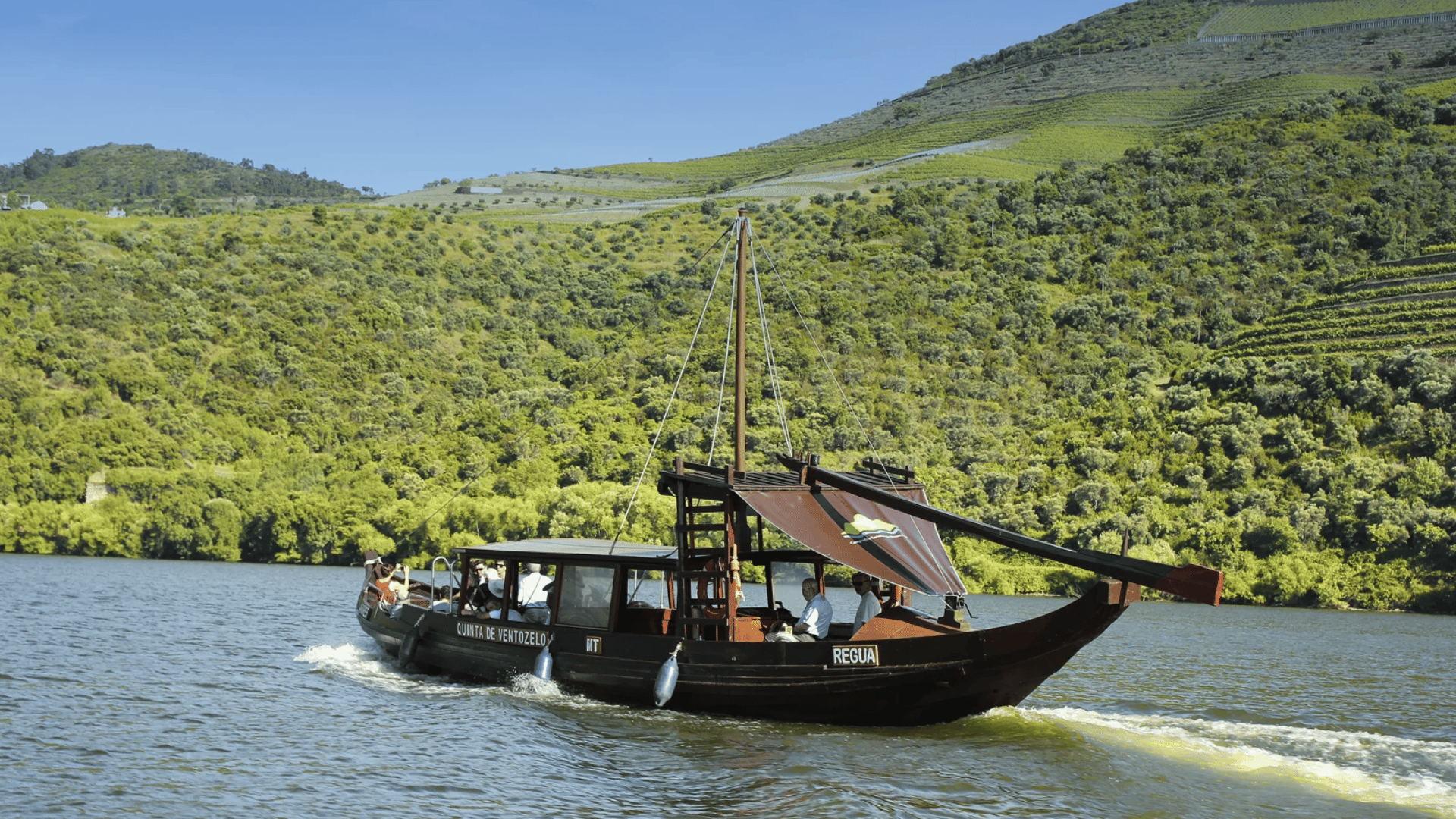
By train: comboios de Portugal (CP), the national rail operator, runs trains on the Douro Line from Porto São Bento station to Peso da Régua, Pinhão and Pocinho, and much of the route follows the river. The line reached Pinhão in 1880, and the ride is a highlight in itself. Check the current timetable before you travel. If you would rather not plan the day yourself, the Douro Valley by Train: Full Day Experience starts at São Bento station and combines the train ride with a visit to Quinta do Bomfim, a vineyard picnic and a cruise on the Douro River in a traditional rabelo boat.
© Companhia Turística do Douro
By boat: boats are an experience rather than transport: short cruises on traditional rabelo boats and sailboats leave from Pinhão and Peso da Régua, and longer day cruises connect Porto with the Douro Valley.
With a private driver or guide: the easiest way to visit several quintas in one day without worrying about directions, parking, or how much you taste.
How should you spend your days in the Douro Valley?
The best things to do in the Douro Valley combine wine with the landscape around it: quinta visits and tastings, the river, viewpoints, food and walks. Three planning choices make the days flow more easily:
- Plan each day around one area. Choose quintas on the same stretch of the Douro River, for example around Pinhão one day and around Peso da Régua and Lamego another. The roads are winding, so short distances on the map often take longer than expected.
- Pair one in-depth visit with one lighter experience. A guided tour and tasting with lunch fits well in the middle of the day, followed by a boat trip, a picnic or a viewpoint at sunset rather than a second full tasting.
- Book the timed experiences first. Boat trips, train rides, harvest activities and lunch reservations run at fixed times, so secure them first and fit the tastings around them.

© Quinta do Seixo
Wine tastings at quintas: tastings usually include Port and the region's dry red and white Douro wines, often with a walk through the vineyards and cellars. Our guide to 10 wine experiences in the Douro Valley covers workshops, picnics and tastings at individual estates. To see which Porto and Douro estates were recognized for their visitor experience, read about the Best Of Wine Tourism 2027 award winners.
The river and the viewpoints: a boat trip of an hour or two shows the terraces from water level, while the miradouros (viewpoints) reveal the full scale of the Douro Valley from above. São Leonardo de Galafura, near Peso da Régua, and Casal de Loivos, above Pinhão, are two of the best known.
Food: Douro Valley cooking is hearty and seasonal: roast kid, cured ham from the Lamego area, olive oil from the estates and bread from Favaios, a village also known for its Moscatel. Many quintas serve lunch with their own wines.
Walks and villages: vineyard paths and marked trails are best in spring and autumn. Lamego, with its baroque stairway up to the Sanctuary of Our Lady of Remedies, and the villages around Pinhão add history and local life between tastings.
Frequently Asked Questions About a Douro Valley Vacation
Do you need to book quinta visits and tastings in advance?
Yes, booking ahead is strongly recommended. Many quintas receive visitors by reservation only, and tastings with lunch and harvest activities are usually the first to fill up in September and October. When you book, check how long the visit lasts and what it includes, such as a vineyard walk, a cellar tour, or a set number of wines, so you can plan the rest of the day.
Is the Douro Valley suitable for travelers with limited mobility?
It can be, with careful planning. The terraces are steep, and some cellars, viewpoints, and paths have stairs or uneven ground, so choose estates where tastings take place close to the parking area and ask about step-free access before you book. Boat trips involve boarding from a pier or pontoon, so check access with the operator in advance.
Is the Douro Valley a good trip with children?
Yes, especially if you balance tastings with time outdoors. Several quintas have gardens and open spaces, some offer grape juice to younger guests while adults taste wine, and boat trips, train rides and picnics among the vines tend to work well for families. In Portugal, alcohol is served only to adults aged 18 and over. Our guide to family-friendly wine tours in the Douro Valley has more ideas.
Plan Your 2027 Douro Valley Vacation
Whether you come for the harvest, the spring walks or a quiet winter break, the Douro Valley is easiest to enjoy with a plan that matches your pace. Tell us when you would like to travel and what you enjoy, and a personal travel consultant from our local team will shape the trip around your dates, from quinta visits and river trips to where to stay.